Knowledge Modules
• Presented in class (contact learning full time on campus)
• Self-paced online (online learning platform)
Practical Skills Modules
• Presented on campus (contact learning full time on campus)
• Presented on campus (in workshop format, twice per semester in block format, on Saturday mornings)
Work Experience Modules
• Conducted at a facility approved by UXi Sport HFPA through MOA
Full Time
18 Months
NQF Level 5
QCTO
Year-round enrolments
Type: Year-round enrolment
Price excluded a non-refundable admin fee of R400. A membership fee of R300 can be added to your payment,
Register nowNQF 4 qualification with Communication and Computer Literacy/
Recognition of Prior Learning (RPL)
Note: You can apply for special admission, but need to meet specific requirements that will be discussed on a case-bycase
basis with the academic department. Admission is subject to specific conditions being met.
- Sport Journalist
- Sport Content Developer
- Social Media Manager for a sport company
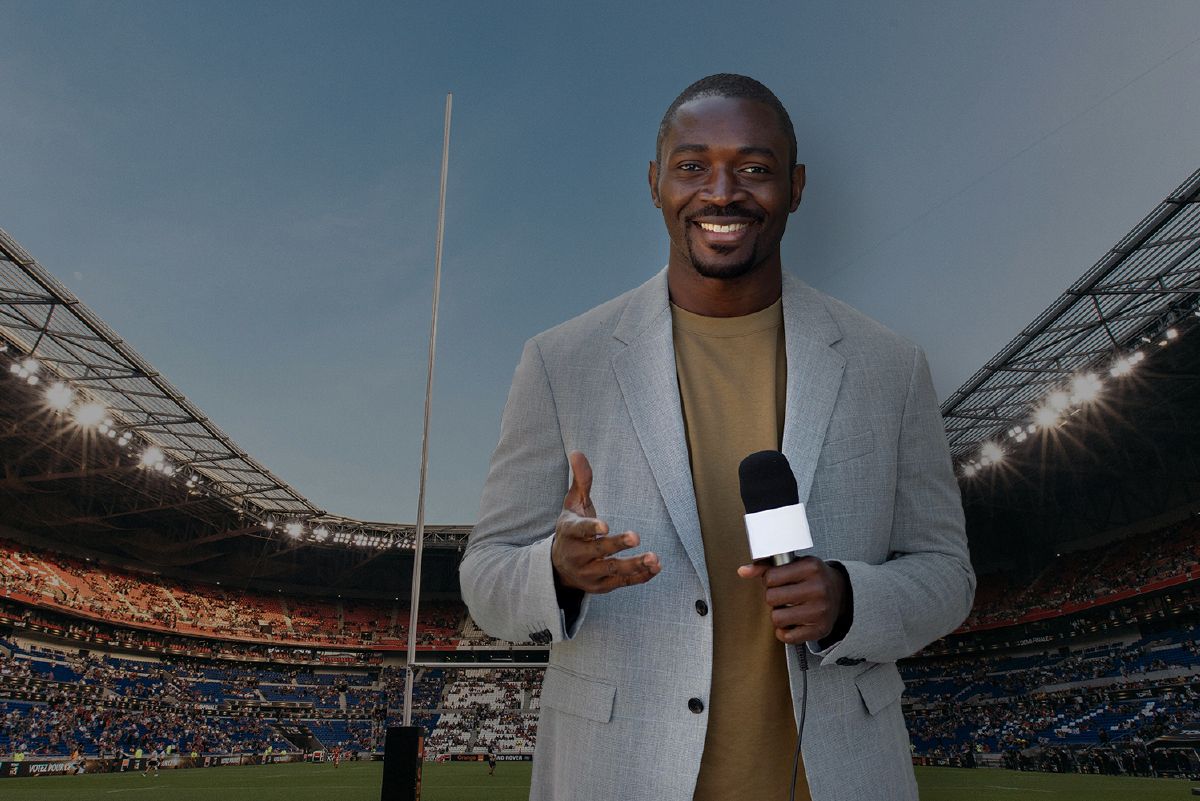
The purpose of the Higher Occupational Certificate: Journalist is to prepare students to become Sport Journalists. A Sport Journalist originates and pitches content ideas, collects and analyses information for journalistic use and creates and delivers content for an array of journalistic purposes in a variety of formats and on various media platforms.
Our comprehensive programme and specialised sport elective: Sport Journalism is tailored to prepare students to function effectively in the sport and fitness industry, by empowering them to:
– Originate and pitch content ideas for media use.
– Collect and analyse information for journalistic use.
– Create and deliver content for a variety of journalistic purposes and formats.
Journalists play an important role in society by keeping the public informed about developments, events and issues that affect people’s lives. They investigate stories, provide critique and educate the public. They carry the responsibilities to convey the information in a balanced and accurate manner. The historical qualification in Journalism has enjoyed considerable uptake since its registration and covers online/digital journalism and includes an understanding of social media in journalism and the involvement of readers/users in setting news agendas and providing feedback. This occupational qualification will meet the sector’s needs for journalists entering the profession as general reporters and who can operate on various platforms such as radio, television, print and on-line. Journalists must be able to generate stories in text, video, still image and sound. Typical learners will include those who are in a journalism environment,
school-leavers who wish to pursue a career in journalism or college or university graduates who want a hands-on experience of the newsroom.
| Accreditations | |
|---|---|
| Delivery Method | |
| Duration | |
| NQF level |
Knowledge Modules
• Presented in class (contact learning full time on campus)
• Self-paced online (online learning platform)
Practical Skills Modules
• Presented on campus (contact learning full time on campus)
• Presented on campus (in workshop format, twice per semester in block format, on Saturday mornings)
Work Experience Modules
• Conducted at a facility approved by UXi Sport HFPA through MOA
NQF 4 qualification with Communication and Computer Literacy/
Recognition of Prior Learning (RPL)
Note: You can apply for special admission, but need to meet specific requirements that will be discussed on a case-bycase
basis with the academic department. Admission is subject to specific conditions being met.
- Sport Journalist
- Sport Content Developer
- Social Media Manager for a sport company
The purpose of the Higher Occupational Certificate: Journalist is to prepare students to become Sport Journalists. A Sport Journalist originates and pitches content ideas, collects and analyses information for journalistic use and creates and delivers content for an array of journalistic purposes in a variety of formats and on various media platforms.
Our comprehensive programme and specialised sport elective: Sport Journalism is tailored to prepare students to function effectively in the sport and fitness industry, by empowering them to:
- Originate and pitch content ideas for media use.
- Collect and analyse information for journalistic use.
- Create and deliver content for a variety of journalistic purposes and formats.
Journalists play an important role in society by keeping the public informed about developments, events and issues that affect people’s lives. They investigate stories, provide critique and educate the public. They carry the responsibilities to convey the information in a balanced and accurate manner. The historical qualification in Journalism has enjoyed considerable uptake since its registration and covers online/digital journalism and includes an understanding of social media in journalism and the involvement of readers/users in setting news agendas and providing feedback. This occupational qualification will meet the sector’s needs for journalists entering the profession as general reporters and who can operate on various platforms such as radio, television, print and on-line. Journalists must be able to generate stories in text, video, still image and sound. Typical learners will include those who are in a journalism environment,
school-leavers who wish to pursue a career in journalism or college or university graduates who want a hands-on experience of the newsroom.
| Accreditations | |
|---|---|
| Delivery Method | |
| Duration | |
| NQF level |