Water Aerobics Instructor

R4 550,00

Water-based training benefits anyone looking for a different way of exercising.

Contact Learning
4 Days
12 CPD Points
REPSSA

Dec 14, 2025 - Sep 05, 2026
Contact Learning

Type: Year-round enrolment

Campus: Sunninghill, Stellenbosch, Gqeberha

R4,550.00

Price excluded a non-refundable admin fee of R400. A membership fee of R300 can be added to your payment,

Register now

ANATOMY AND PHYSIOLOGY

  • Chapter 1: Homeostasis
  • Chapter 2: Anatomical Terms
  • Chapter 3: Organ Systems
  • Chapter 4: Skeletal System
  • Chapter 5: The Muscular System
  • Chapter 6: The Cardiovascular & Circulatory System
  • Chapter 7: The Respiratory System
  • Chapter 8: The Nervous System
  • Chapter 9: The Endocrine System
  • Chapter 10: Energy Systems
  • Chapter 11: Adaptations To Physiological Systems With Exercise
  • Chapter 12: Principles Of Exercise, Fitness & Health
  • Chapter 13: Principles Of Training
  • Chapter 14: Cardiovascular Fitness
  • Chapter 15: Muscular Strength & Endurance
  • Chapter 16: Warm-Up & Stretching
  • Chapter 17: Motor Fitness
  • Chapter 18: Safety 112
  • Chapter 19: Communication
  • Chapter 20: Customer Service
  • Chapter 21: Introduction To Nutrition
  • Chapter 22: Role Players In The Fitness Industry

AQUA INSTRUCTOR Chapter 1: The Aquatic Environment

  • Physiology of Water Immersion
  • Water and it’s Properties
  • Pool Considerations

Chapter 2: Aquatic Equipment

  • Categories of Equipment
  • Choosing Equipment

Chapter 3: Benefits of Aquatic Exercise Chapter 4: Aquatic Exercise Program Design Chapter 5: Instructing an Aqua Class Chpater 6: Special Populations

  • Elderly
  • Obese
  • Pre- Post- Natal
  • Cardiovascular Disease
  • Musculoskeletal Disorders
  • Metabolic Disorders
  • Immunological Disorders

If you do not hold a fitness qualification you will be required to complete:

  • A Basic introduction into anatomy and physiology (self- study module.)

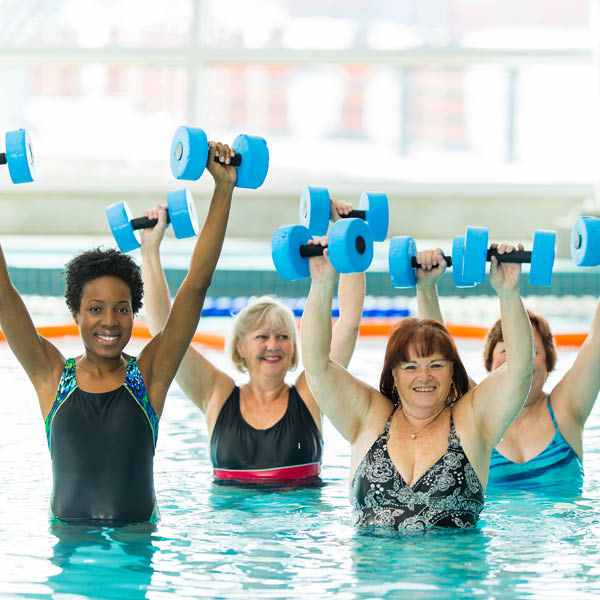
Water-based training benefits anyone looking for a different way of exercising. It’s fun, burns calories, relieves stress, improves cardiovascular fitness, and endurance without the use of equipment. Water based exercise classes provide less joint stress not only for healthy individuals, but also for those special populations affected by medical conditions such as arthritis, neck and back problems, strokes and obesity. This type of aerobics may also be more acceptable for the self-conscious overweight exerciser. Become a more versatile trainer by learning how to design and deliver safe, effective and innovative water-based training sessions in a gym or health club environment.

This course Includes:

Contact course with online assignment submission
Learner guide
Hard copy manuals – Anatomy and Physiology, Aqua Instructor
Additional online resources videos
Online Tutor support
This course is completed via contact workshops and submitting all assignments using the HFPA Online Learning Platform.

Accreditations

Delivery Method

Duration

NQF level

ANATOMY AND PHYSIOLOGY

  • Chapter 1: Homeostasis
  • Chapter 2: Anatomical Terms
  • Chapter 3: Organ Systems
  • Chapter 4: Skeletal System
  • Chapter 5: The Muscular System
  • Chapter 6: The Cardiovascular & Circulatory System
  • Chapter 7: The Respiratory System
  • Chapter 8: The Nervous System
  • Chapter 9: The Endocrine System
  • Chapter 10: Energy Systems
  • Chapter 11: Adaptations To Physiological Systems With Exercise
  • Chapter 12: Principles Of Exercise, Fitness & Health
  • Chapter 13: Principles Of Training
  • Chapter 14: Cardiovascular Fitness
  • Chapter 15: Muscular Strength & Endurance
  • Chapter 16: Warm-Up & Stretching
  • Chapter 17: Motor Fitness
  • Chapter 18: Safety 112
  • Chapter 19: Communication
  • Chapter 20: Customer Service
  • Chapter 21: Introduction To Nutrition
  • Chapter 22: Role Players In The Fitness Industry

AQUA INSTRUCTOR Chapter 1: The Aquatic Environment

  • Physiology of Water Immersion
  • Water and it’s Properties
  • Pool Considerations

Chapter 2: Aquatic Equipment

  • Categories of Equipment
  • Choosing Equipment

Chapter 3: Benefits of Aquatic Exercise Chapter 4: Aquatic Exercise Program Design Chapter 5: Instructing an Aqua Class Chpater 6: Special Populations

  • Elderly
  • Obese
  • Pre- Post- Natal
  • Cardiovascular Disease
  • Musculoskeletal Disorders
  • Metabolic Disorders
  • Immunological Disorders

If you do not hold a fitness qualification you will be required to complete:

  • A Basic introduction into anatomy and physiology (self- study module.)

Water-based training benefits anyone looking for a different way of exercising. It’s fun, burns calories, relieves stress, improves cardiovascular fitness, and endurance without the use of equipment. Water based exercise classes provide less joint stress not only for healthy individuals, but also for those special populations affected by medical conditions such as arthritis, neck and back problems, strokes and obesity. This type of aerobics may also be more acceptable for the self-conscious overweight exerciser. Become a more versatile trainer by learning how to design and deliver safe, effective and innovative water-based training sessions in a gym or health club environment.

This course Includes:

Contact course with online assignment submission
Learner guide
Hard copy manuals – Anatomy and Physiology, Aqua Instructor
Additional online resources videos
Online Tutor support
This course is completed via contact workshops and submitting all assignments using the HFPA Online Learning Platform.

Accreditations

Delivery Method

Duration

NQF level